

Alcohol Detoxification Medications
Detoxification is a medical procedure that helps an individual overcome their psychological and physical dependence to alcohol. It is typically accompanied by counseling.
Patients who undergo alcohol detoxification are urged to seek long-term rehabilitation or treatment as part of a continuum of abuse care. This is a great idea due to research that shows those who undergo detoxification are more likely to remain abstinent.
Medical Monitoring
If not properly treated If not treated properly, withdrawal symptoms from alcohol could be harmful or life-threatening. It is essential to check into a clinic to have medical professionals evaluate your situation. The use of medications can ease some of the most severe detox symptoms, such as anxiety and depression. They can also treat issues that arise during detoxification, such a high heart rate or a fever.
The medical team will go over your drug and psychiatric histories to determine the most effective treatment option for you. They'll also test your blood pressure, temperature and heart rate to determine the degree of your withdrawal symptoms. alcohol detox and rehab will also perform a physical examination to check for symptoms of health problems such as dehydration, or malnutrition.
After you have stopped drinking, you'll have to continue your therapy to address the root issues that led you to drink. You can go to group or individual sessions, like family therapy or cognitive behavior therapy. These sessions will help you identify your triggers and learn how to manage them in a healthy way. them.
The right support system is essential for the success of your detox. mens alcohol detox to have a family member or person you trust to be there for you throughout the process of detoxing, especially if you start to feel uncomfortable. This person will help you stay motivated and help you stay to your detox program.
People who drink a lot of alcohol tend to experience more intense withdrawal symptoms. However, alcohol detox and rehab of your symptoms can vary and can't be predicted. The severity of withdrawal can be affected by how quickly and how much alcohol you drink.
Recent research has shown that specialist-led inpatient alcohol detoxification is a safe, effective service that can enhance the quality of life of patients and reduce resource use. This could reduce the burden of healthcare services currently in place, and improve abstinence rates over time. The study looked at the percentage of patients who remained sober after detoxification inpatients. It also examined hospital admissions for intoxication symptoms or withdrawal symptoms.
Medications
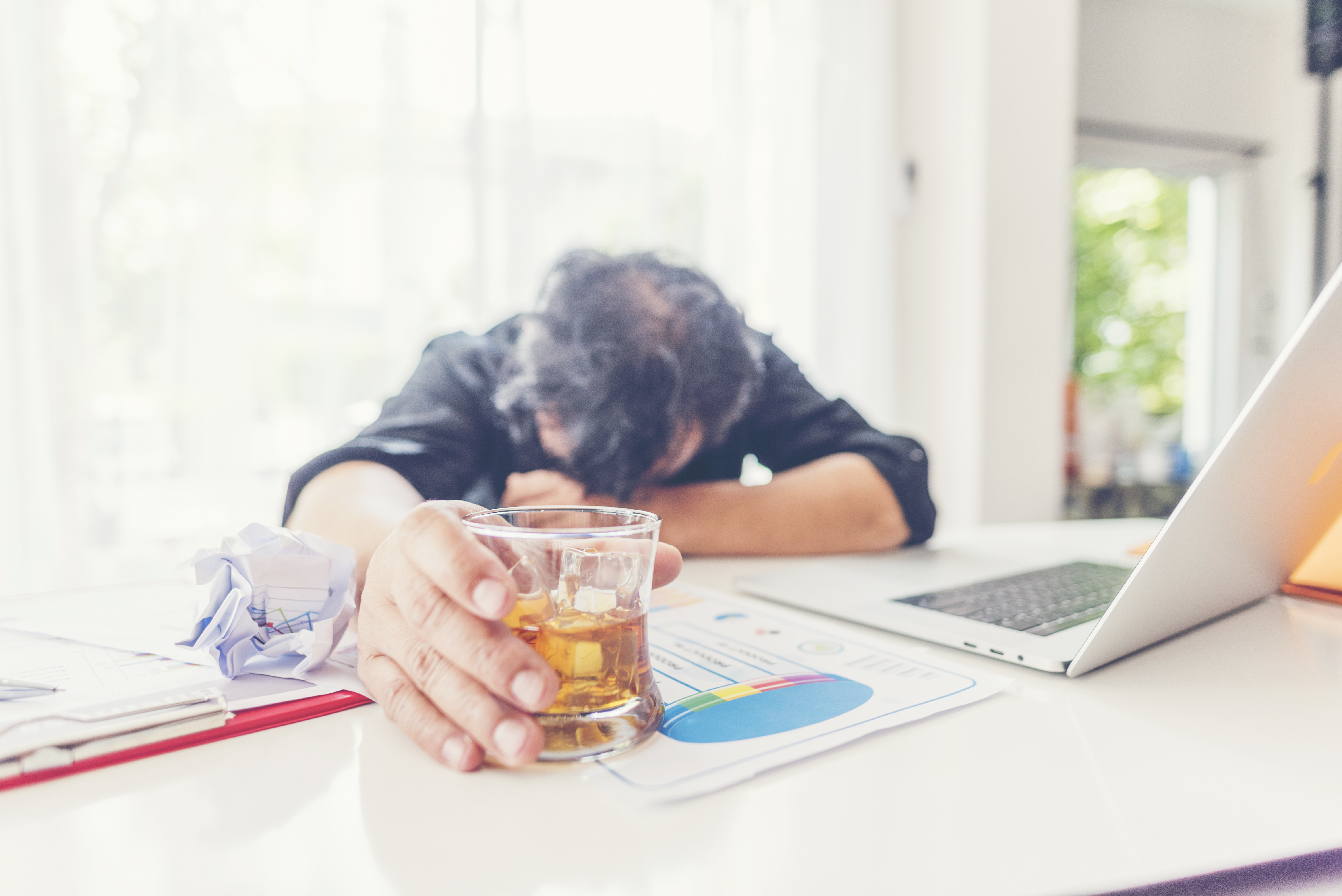
Alcoholics are prescribed medications to help alleviate withdrawal symptoms as part of the alcohol detoxification process. The medication will be based on the severity of the dependency is and should be administered under medical supervision. Benzodiazepines, such as Librium (chlordiazepoxide), and Valium (diazepoxide) are the most commonly prescribed medications during detoxification. Other benzodiazepines are also prescribed, but this is less common as they have more side effects and carry a higher risk of addiction.
During detox, the person will also have to eliminate all alcohol from their environment including other beverages and any other products that contain alcohol such as mouthwashes and rubbing alcohol. This will reduce the chance of return to drinking as it is difficult to drink when suffering from withdrawal symptoms.
The process of detoxing is likely to be uncomfortable for the alcoholic and it is essential to have the proper help and support from their family and friends. Encourage them to drink lots of water and other fluids and to do it slowly. They should also take rest as much as they can during this time and avoid any activities that cause stress.
When the initial symptoms of withdrawal have diminished The person should establish a plan for long-term alcohol therapy. This could include enrolment in an alcohol rehabilitation program, participating in Alcoholics Anonymous meetings, and other recovery-oriented activities. It is essential that the person suffering from addiction takes these steps to achieve sobriety and begin the journey towards recovery.
In many instances it is recommended for those who are dependent on alcohol. They can provide the guidance and assistance needed to overcome addiction. In addition, rehab will teach the alcoholic how to cope with their triggers so that they can stop relying on alcohol in times of stress.
It is important to create a supportive, encouraging environment for the individual. This will allow them to be successful in their recovery and avoid relapsing. Most of the time, rehabilitation process will require the alcoholic to undergo detoxification prior to beginning the rehabilitation process. This is to ensure that the alcoholic will benefit the most from their rehabilitation program.
Staying Hydrated
During detox and withdrawal it is essential to stay hydrated. Dehydration is a possible result of a variety of drugs and can lead to grave and fatal complications. To aid in recovery, it's crucial to take a variety of nutritious meals including foods that are high in water, such as leafy vegetables. Drinking enough water during recovery can lessen cravings and withdrawal symptoms, as well as improve overall health.
Water can accelerate the process of detoxification and reduce alcohol cravings. Hunger is a major hurdle to overcome during detox and could be the reason why people fall back after stopping drinking. Drinking water can keep the liver healthy and metabolize alcohol more quickly. Water can also replace electrolytes and other essential nutrients that are lost during withdrawal and detox.
To avoid dehydration, when you detox at home you should drink at minimum one gallon (three Quarts or 4 quarts of water for men and women) per day. This is especially important if you're suffering from withdrawal symptoms such as vomiting or diarrhea. If you're experiencing these symptoms, drink a mixture of water and liquids containing electrolytes like herbal tea or coconut water.
It is also important to consume a lot of vegetables and fruits. They are full of minerals and vitamins. Also, you should cut back on caffeine, which is a diuretic that can increase the loss of fluid.
You should also make sure you're surrounded by supportive people throughout the detox process. The presence of a group of people who can encourage and help you through the process of detox can increase your chances of success and keep sobriety long-term. It's important to avoid enabling people and drinking advocates who may encourage you to drink.
While everyone's experience will be different most people experience withdrawal between 6 and 12 hours after their last drink. This is when the body's central nerve system begins to feel the impact of not having alcohol in its bloodstream. The withdrawal symptoms can peak around 24-72-hour mark, which is when more severe symptoms are expected to manifest.
Counseling
Alcoholism can have a profound impact on the lives of the people who suffer from it. In addition to the physical health of people and their mental well-being as well, it can impact the individual's work financial situation, family life, and social life. If you or someone you know suffers from addiction to alcohol, it's crucial to seek medical attention immediately to avoid serious complications. One of the most effective treatments for alcohol dependence is to undergo detox. While it's not always possible to beat alcohol addiction using detox alone, it can be a crucial first step toward recovery.
In general, the goal of detoxification is to help patients achieve a drug-free state by removing addictive substances from their body. This process is often accompanied by the use of medications to ease withdrawal and avoid complications. Some of the drugs that are used in this process include benzodiazepines, such as chlordiazepoxide, diazepam, or lorazepam.
A detox program must be individualized to the individual requirements of each patient. The first step is to evaluate the patient's physical and mental health to determine the appropriate level of treatment. This assessment could include a thorough examination of the patient's drug abuse history and medical background. A detailed review of a patient's daily activities may also be necessary to ensure that they are able to safely undergo the detox process.
In alcohol.detox timeline there would be inpatient facilities accessible to patients suffering from withdrawal symptoms severe enough to require a safe environment. This safe environment lets the patient focus only on their alcohol withdrawal without being distracted by responsibilities or relationships. These facilities also have full-time medical professionals who can assist in the situation of an emergency.
30 day alcohol detox at home are available for those who are unable to participate in an inpatient program. These programs are not as intensive, but can still help in achieving a complete recovery from addiction to alcohol. These programs offer 24/7 medical attention and a range of therapeutic services like art, music, and nutritional therapy.